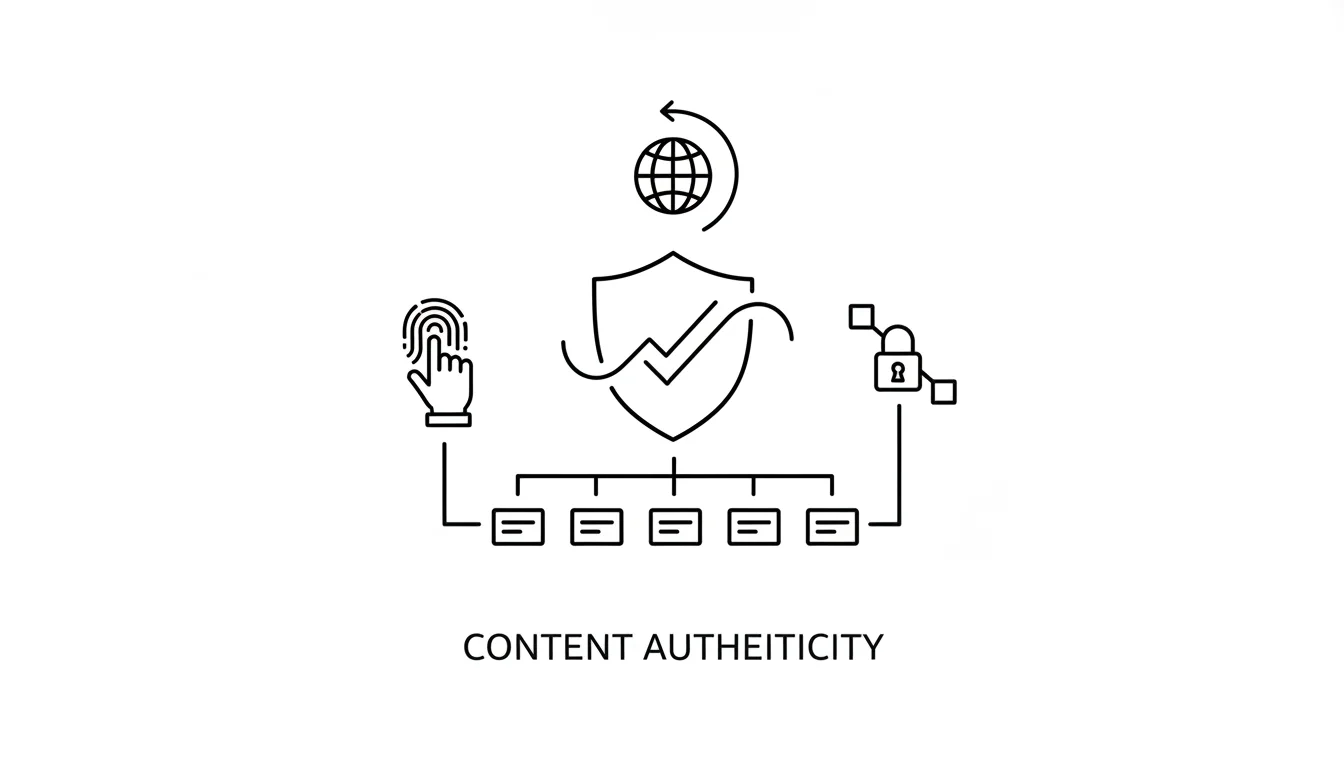
How Does Content Authenticity Address Synthetic Media Ethics?
Content authenticity plays a crucial role in addressing the ethical concerns raised by synthetic media, such as voice cloning. By verifying the provenance of digital content, these tools ensure transparency and trust in media consumption.
The Ethics of Synthetic Media
The creation of synthetic media, including voice cloning, has raised significant ethical questions. For instance, the voice clone of Anthony Bourdain in a documentary has sparked debate about consent and authenticity in media representation. Content authenticity technologies can help address these issues by providing verifiable information about the origin and modifications of such media.
Concrete Examples of Ethical Concerns
- Voice Cloning of Celebrities: The use of synthetic voices without explicit consent, as in the case of Anthony Bourdain, raises privacy and ethical concerns.
- Deepfakes in Political Campaigns: Manipulated media could influence public opinion and election outcomes.
| Ethical Concern | Content Authenticity Solution |
|---|---|
| Consent Issues | Provenance verification |
| Misinformation | Transparency in alterations |
How C2PA Helps Ensure Content Authenticity
The Coalition for Content Provenance and Authenticity (C2PA) provides a framework to verify and authenticate digital content. By embedding metadata directly into media files, C2PA enables users to trace the origin and history of content. This is crucial for identifying synthetic media and ensuring its ethical use.
Implementing C2PA in Media
- Embed Metadata: Use C2PA standards to embed provenance data in media files.
- Verify Origin: Check the metadata to ensure the authenticity and source of the content.
- Monitor Modifications: Track any changes made to the media to maintain transparency.
Key Takeaway: Content authenticity provides a pathway to ethical synthetic media use by ensuring transparency and trust.
The Future of Content Authenticity and Ethics
As synthetic media technologies advance, the importance of content authenticity will only grow. By adopting C2PA standards, media producers and consumers can navigate the ethical landscape more confidently, ensuring that media integrity is maintained.
FAQs
-
What is content authenticity? Content authenticity refers to the verification of the origin and integrity of digital content.
-
Why is content authenticity important in synthetic media? It ensures transparency and trust by verifying the source and modifications of media.
-
How does C2PA contribute to ethical media use? C2PA provides a framework for embedding and verifying metadata in digital content.
-
Can content authenticity prevent misinformation? Yes, by providing verifiable information about media origin and alterations.
-
What are the challenges of implementing content authenticity? Challenges include standardization across platforms and user adoption.
This analysis is based on reporting by Tech Policy Press. Original Pictures provides C2PA-based content authenticity tools for developers and organizations.