How Does the US Copyright Office's AI Decision Affect Content Authenticity?
The US Copyright Office's recent determination on AI-generated work significantly impacts content authenticity by setting precedents on authorship and intellectual property rights. This decision underscores the need for clear provenance in AI-generated content, affecting creators and platforms alike.
Understanding the Copyright Office's Decision
The US Copyright Office has ruled that AI-generated works do not qualify for copyright protection unless they involve meaningful human authorship. This decision is pivotal as AI-generated content becomes more prevalent, challenging traditional notions of authorship and ownership.
Implications for Content Creators
For content creators, this determination raises questions about the authenticity and ownership of AI-assisted works. Without copyright protection, AI-generated content lacks legal backing, potentially leading to unauthorized use and distribution. Creators must now consider how to integrate AI tools while ensuring their human contribution is significant enough to secure copyright.
Important: Human authorship is crucial for copyright eligibility in AI-generated works.
Impact on Digital Platforms
Digital platforms that host and distribute AI-generated content must adapt to these legal standards. Platforms may need to implement content authenticity tools to verify and document human authorship in AI-assisted works. This ensures compliance with copyright laws and protects the intellectual property of creators.
| Aspect | AI-Generated Content | Human-Generated Content |
|---|---|---|
| Copyright Eligibility | Limited | Full |
| Content Authenticity | Challenging | Clear |
| Legal Protection | Weak | Strong |
The Role of Content Authenticity Technologies
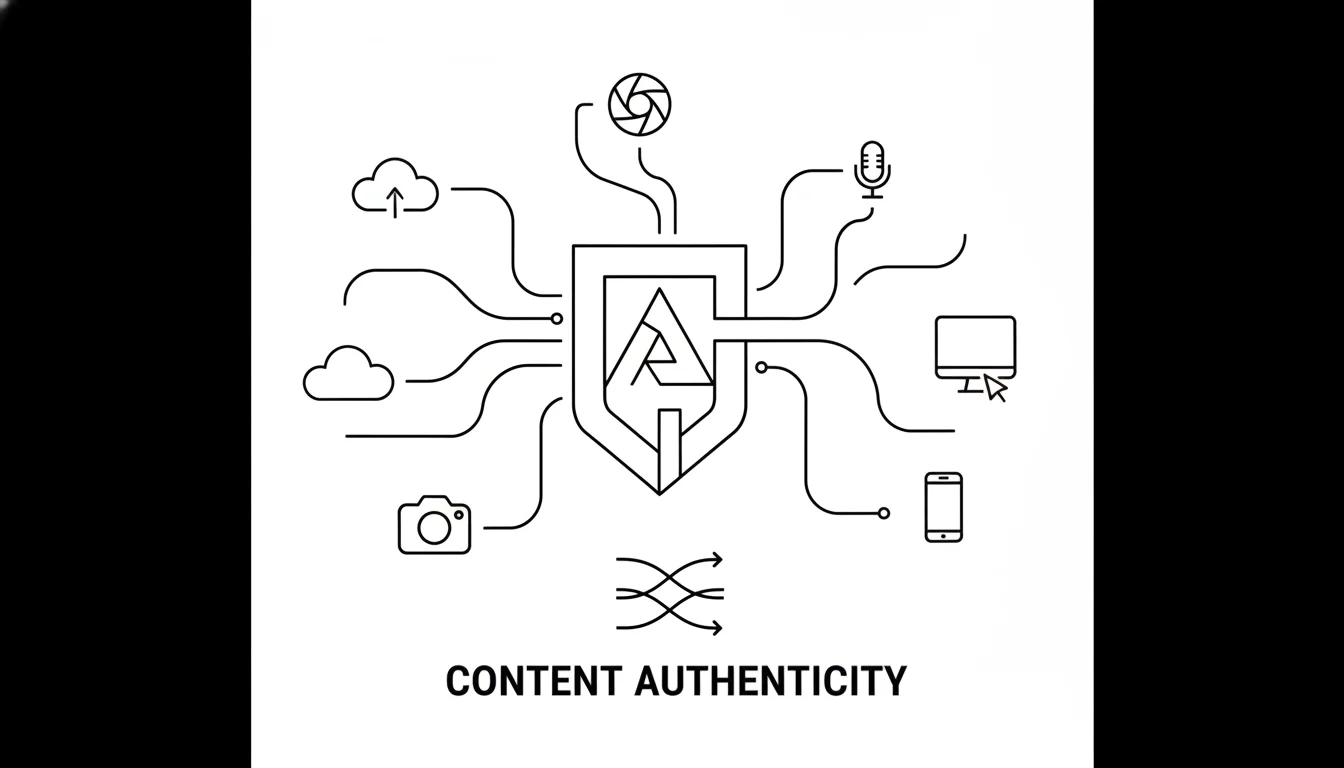
Technologies like C2PA-based platforms play a crucial role in addressing these challenges. By embedding provenance data into digital content, these tools provide a transparent record of authorship and content creation processes. This helps creators and platforms maintain compliance with copyright regulations and ensures that the origin of AI-generated works is traceable.
Moving Forward: Navigating the Legal Landscape
As AI continues to evolve, so too must the legal frameworks that govern content creation. Content creators and platforms should stay informed about regulatory changes and consider implementing robust authenticity measures. Original Pictures offers tools to help navigate these complexities, ensuring that content remains protected and authentic.
This analysis is based on reporting by Tech Policy Press. Original Pictures provides C2PA-based content authenticity tools for developers and organizations.