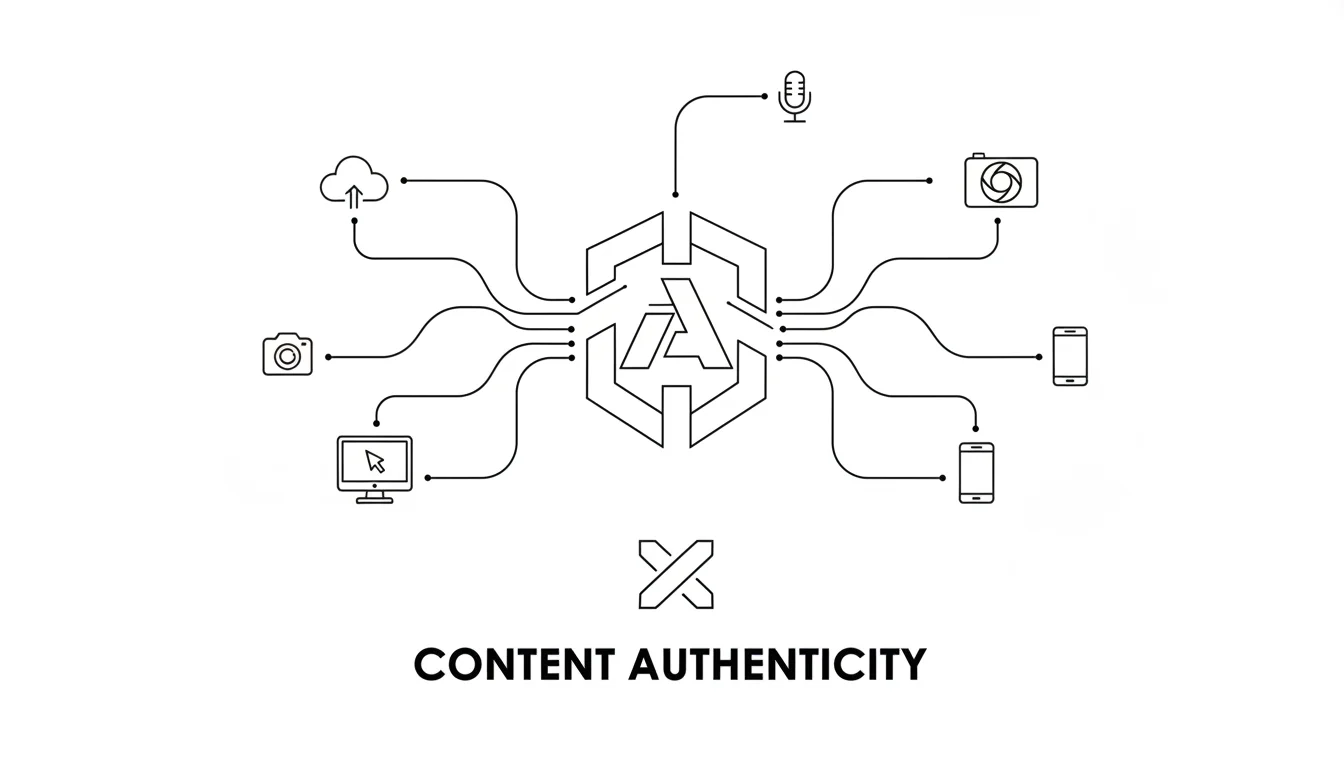
How Do Deepfakes Threaten Content Authenticity?
Deepfakes, generated by advanced language models, pose significant risks to content authenticity, potentially undermining democratic processes. These AI-generated forgeries can mimic real individuals, leading to misinformation and eroding trust in genuine content.
Understanding Deepfakes
Deepfakes are digitally fabricated media, often videos or audio, created using artificial intelligence to misrepresent reality. By leveraging powerful algorithms, these deepfakes can convincingly imitate real people, making it challenging to discern authenticity.
The Role of Language Models
Language models, like GPT-4, play a crucial role in generating deepfakes. These models are trained on vast datasets, enabling them to create human-like text and speech. While these technologies offer innovative applications, they also present potential for misuse in creating deceptive content.
{
  "AI_Model": "GPT-4",
  "Capabilities": ["Text Generation", "Speech Synthesis"],
  "Risks": ["Misinformation", "Erosion of Trust"]
}
Impact on Democracy
The proliferation of deepfakes poses a threat to democratic institutions by spreading misinformation and manipulating public opinion. Political figures can be impersonated in fabricated videos, leading to false narratives and potentially influencing election outcomes.
Comparisons of Risks
| Risk Factor | Impact Level | Example |
|---|---|---|
| Misinformation | High | Fake political speeches |
| Trust Erosion | Medium | Doubt in media authenticity |
| Election Interference | Severe | Altered voting information |
Ensuring Content Authenticity
To combat the risks posed by deepfakes, implementing content authenticity protocols, such as C2PA standards, is crucial. These protocols help in verifying the origin and integrity of digital content, ensuring that consumers can trust what they see and hear.
Explore C2PA Standards to learn how they enhance content integrity.
Conclusion
As deepfakes become more sophisticated, maintaining content authenticity is essential to protect democratic processes. By leveraging authenticity protocols, we can safeguard against the deceptive potential of AI-generated content.
This analysis is based on reporting by Tech Policy Press. Original Pictures provides C2PA-based content authenticity tools for developers and organizations.